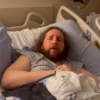
My name is Tiffany, and I’m living in Ontario with a rare and complex neurological condition that has profoundly affected my mobility, vision, and daily functioning. After years of medical appointments, worsening symptoms, and repeated barriers to care, I am at a point where the most meaningful help right now isn’t theoretical or long-term — it’s practical, immediate support that allows me to live safely and with dignity each day.
Because my condition is poorly understood and not well supported within Ontario’s public health system, many essential supports are either denied, delayed, or deemed “not covered,” even when they would make a direct and measurable difference in my quality of life. Without family nearby or anyone available to assist me day to day, I must rely on adaptive equipment and services to remain independent and avoid further harm.
IMMEDIATE NEEDS THIS FUNDRAISER SUPPORTS
Mobility & Independence
• $4,700 – Portable power chair with suspension. I have no one available to drive or assist me, and my symptoms make walking unsafe. This would allow me to move through daily life independently and safely.
• $4,000 – Elevating seat on a power wheelchair (not covered). I have great difficulty looking up and reaching overhead. This feature would allow me to access basic necessities and reduce strain and injury.
Home Accessibility & Safety
• $4,600 – Electric front door opener. This would allow me to enter and exit my home safely without relying on others.
• $1,500–$2,000 – Adjustable bed frame. Essential for symptom management, rest, and reducing pain and neurological strain.
Medical Care & Advocacy
• $200/hour – Concussion rehabilitation therapy to manage neurological symptoms.
• Quote pending – Legal support to appeal the Ministry of Health decision (4th extension), which directly impacts my ability to access medically necessary care.
• Quote pending – Consultations with a neuro-ophthalmologist and neurovascular specialist to assess vascular issues affecting my vision and determine next steps.
These are not “nice-to-have” items. They are the supports that allow me to function, remain independent, and avoid further physical deterioration while I continue to advocate for appropriate medical care.